John Wesley is best known for founding the Methodist movement in the 18th century, but he began as an Anglican minister who was rejected by the Church of England for his radical teaching, including his perspective on wealth. I would like to explore John Wesley's attitude to money and giving. It is radically different from the current tithing mentality of the western Protestant church, and it has challenged the way I think about money.
By the time John Wesley went to glory 235 years ago on the second of March he had been a catalyst for both a revival and a new Protestant denomination. The Methodist movement began within Anglicanism as John was an ordained Anglican minister. Unfortunately, it became a new denomination after John’s death as the Church of England considered it too radical and Methodists were banned from speaking in all but a few parishes.
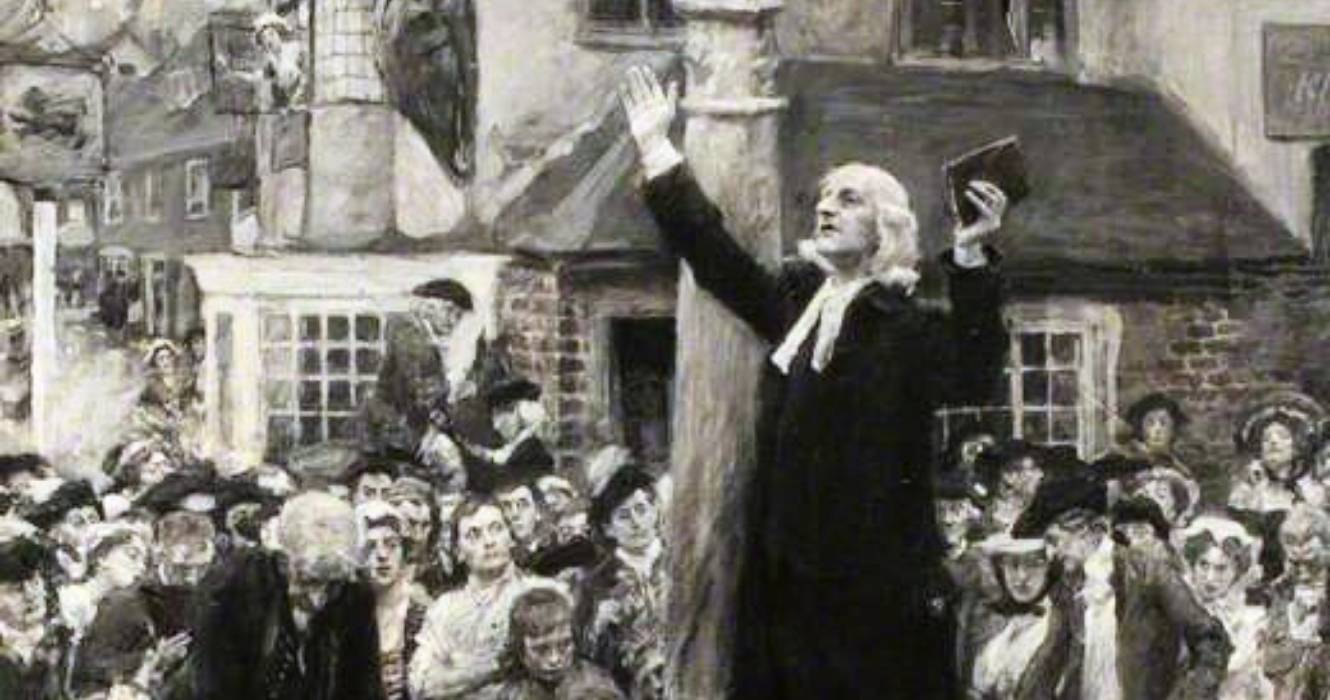
There are many interesting things about John and the Methodist movement that can be gleaned from history. It is estimated that John preached over 40,000 sermons in his lifetime and travelled over 225,000 miles on horseback around the UK to preach mainly to the lower classes. Sometimes over 20,000 people came to hear him preach in fields (all without sound gear!). John was also quite radical for the times as he promoted lay preaching, including women lay preachers and leaders. It is estimated that over his lifetime he gave away £30,000, but more about that later.
The Methodist denomination started with a Bible club at Oxford University whose members were called “Bible moths” as they spent too much time reading the Bible. The denomination’s name, “Methodist”, comes from the fact that adherents had methodical habits such as serious Bible study, regular attendance of Holy Communion and a lifelong commitment to living a disciplined Christian life. The motivation for these habits was not works-based, but gratitude-based for what Jesus had done on the cross to free them from sin and consequential death.
During the 1700s and 1800s the Holy Spirit worked through Methodist preaching to bring millions to faith in the United Kingdom and North America. An example of this is the 1859 revival that saw 600,000 conversions to faith in England alone.
As much as I would like to take you on a tour of Methodist revivals, I will focus on John Wesley's teaching on money. John outlines his understanding of money and giving in his sermon number 50 – “The Use of Money”. A modern translation of this sermon can be found here.
I will list John’s three main principles below, but I strongly encourage you to read the full sermon. I think it highlights many problematic issues about work, spending and giving in our current culture.
Warning: some of the contents of this sermon are very confronting to people who are living in a very materialistic and selfish culture. I have been deeply challenged!
Earn as much money as you can from the talents and skills God has given you.
However, do not allow the process of earning hurt yourself, your family or your neighbour. This means you cannot undertake harmful, illegal, unjust or sinful work that will hurt you and others. As John notes, money in itself is neutral, it is whether we love it or the Lord. I wonder how much we have lost the Protestant work ethic in our current culture which emphasises pursuit of leisure, happiness and self-actualisation.
Live on as little as you can. Make sure the health and wellbeing of your family is looked after by nourishing food, a warm and loving home, and sufficient medical care.
However, do not spend money on the “desires of the flesh”, especially gluttony or drunkenness. Reject delicacy and variety and be content with what the simplicity of nature requires. I wonder what John would make of our supermarkets with a whole aisle devoted to wines and another full of confectionery and chips.
Do not spend on the “desires of the eye”, especially unnecessary possessions like expensive clothes, furniture, gardens. Perhaps some modern equivalents could be a new iPhone every year, multiple overseas vacations during retirement, lots of toys in the garage, yet another tattoo, or for me another sparkly rock.
Do not spend money to gratify the “pride of life” that is items that are brought to impress others, like expensive clothes and jewellery. Perhaps some modern equivalents could be an expensive car, home with the right address or a boat in the marina.
I found this section especially challenging as it has highlighted just how much I think of myself in my spending. I had not realised how influenced I am in our individualistic and self-serving culture that puts personal needs and wants above the kingdom of God.
John notes that nothing is to be gained by storing up treasure on earth, equating it to throwing that wealth into the sea.
Once we have earned much and economised all we can we need to come to the realisation that we are not owners of our possession but stewards of what God has given us. How can we spend our surplus to promote the kingdom of God?
John gives four very challenging questions that he asks us to calmly and seriously consider when we are spending God’s money:
I. In spending this money, am I acting according to my proper responsibility, not as an owner, but as a steward of my Lord’s possessions?
II. Am I doing this in obedience to his word? Where in Scripture does he require me to do this?
III. Can I consider this expense a sacrifice to God through Jesus Christ?
IV. Do I have reason to believe that I will have a reward for this work at the resurrection of the just?
I know I have seldom considered these questions, especially when I have brought another rock for my collection. And yet God, in his mercy, has been showing me how valuable his salvation is and slowly developing my capacity to be able to understand the thrust of John’s sermon 50 on the use of money.
As I read the modern version of John’s sermon, what Jesus said in Scripture kept coming to mind. The parable of the talents (Matt 25: 14-28), the parable of the dishonest steward (Luke 16: 1-14), the poor widow (Mark 12: 41-44), not worrying about your life (Matt 6:25-26), and the rich young man and the eye of a needle (Matt 19:16-28). John’s attitude to money is deeply embedded in Scripture.
Remember I said he gave away £30,000 pounds? In today’s spending power terms that is about $4 million. Later in his life John was earning about £1,400 a year from royalties on his writings and generally spent £28-30 a year on himself, giving the rest away for the kingdom of God. This means he was giving away 98% of what he earned. He died with very few possessions.
In our modern Protestant church, there is at times a legalistic focus on giving where we need to tithe at least 10% and make some free will offerings on top of that. Even worse, some churches preach a false prosperity gospel where you tithe, and God will make you materially rich.
Yet as I read John’s sermon and ponder Scripture, I am beginning to understand what makes a “cheerful giver” (2Cor 9:6-9). A cheerful giver is someone who understands and values the great “indescribable gift” (2Cor 9:15) of salvation, purchased for us by Jesus on the cross. A salvation that sets us free from sin and death to be able to serve God with all we have and with joy in our hearts.
Check out other articles in the
Characters of our Calendar
series below.
More articles in the
Characters of our Calendar
series are to come.
We have invited these writers to share their experiences, ideas and opinions in the hope that these will provoke thought, challenge you to go deeper and inspire you to put your faith into action. These articles should not be taken as the official view of the Nelson Diocese on any particular matter.
John Wesley is best known for founding the Methodist movement in the 18th century, but he began as an Anglican minister who was rejected by the Church of England for his radical teaching, including his perspective on wealth. I would like to explore John Wesley's attitude to money and giving. It is radically different from the current tithing mentality of the western Protestant church, and it has challenged the way I think about money.
By the time John Wesley went to glory 235 years ago on the second of March he had been a catalyst for both a revival and a new Protestant denomination. The Methodist movement began within Anglicanism as John was an ordained Anglican minister. Unfortunately, it became a new denomination after John’s death as the Church of England considered it too radical and Methodists were banned from speaking in all but a few parishes.
There are many interesting things about John and the Methodist movement that can be gleaned from history. It is estimated that John preached over 40,000 sermons in his lifetime and travelled over 225,000 miles on horseback around the UK to preach mainly to the lower classes. Sometimes over 20,000 people came to hear him preach in fields (all without sound gear!). John was also quite radical for the times as he promoted lay preaching, including women lay preachers and leaders. It is estimated that over his lifetime he gave away £30,000, but more about that later.
The Methodist denomination started with a Bible club at Oxford University whose members were called “Bible moths” as they spent too much time reading the Bible. The denomination’s name, “Methodist”, comes from the fact that adherents had methodical habits such as serious Bible study, regular attendance of Holy Communion and a lifelong commitment to living a disciplined Christian life. The motivation for these habits was not works-based, but gratitude-based for what Jesus had done on the cross to free them from sin and consequential death.
During the 1700s and 1800s the Holy Spirit worked through Methodist preaching to bring millions to faith in the United Kingdom and North America. An example of this is the 1859 revival that saw 600,000 conversions to faith in England alone.
As much as I would like to take you on a tour of Methodist revivals, I will focus on John Wesley's teaching on money. John outlines his understanding of money and giving in his sermon number 50 – “The Use of Money”. A modern translation of this sermon can be found here.
I will list John’s three main principles below, but I strongly encourage you to read the full sermon. I think it highlights many problematic issues about work, spending and giving in our current culture.
Warning: some of the contents of this sermon are very confronting to people who are living in a very materialistic and selfish culture. I have been deeply challenged!
Earn as much money as you can from the talents and skills God has given you.
However, do not allow the process of earning hurt yourself, your family or your neighbour. This means you cannot undertake harmful, illegal, unjust or sinful work that will hurt you and others. As John notes, money in itself is neutral, it is whether we love it or the Lord. I wonder how much we have lost the Protestant work ethic in our current culture which emphasises pursuit of leisure, happiness and self-actualisation.
Live on as little as you can. Make sure the health and wellbeing of your family is looked after by nourishing food, a warm and loving home, and sufficient medical care.
However, do not spend money on the “desires of the flesh”, especially gluttony or drunkenness. Reject delicacy and variety and be content with what the simplicity of nature requires. I wonder what John would make of our supermarkets with a whole aisle devoted to wines and another full of confectionery and chips.
Do not spend on the “desires of the eye”, especially unnecessary possessions like expensive clothes, furniture, gardens. Perhaps some modern equivalents could be a new iPhone every year, multiple overseas vacations during retirement, lots of toys in the garage, yet another tattoo, or for me another sparkly rock.
Do not spend money to gratify the “pride of life” that is items that are brought to impress others, like expensive clothes and jewellery. Perhaps some modern equivalents could be an expensive car, home with the right address or a boat in the marina.
I found this section especially challenging as it has highlighted just how much I think of myself in my spending. I had not realised how influenced I am in our individualistic and self-serving culture that puts personal needs and wants above the kingdom of God.
John notes that nothing is to be gained by storing up treasure on earth, equating it to throwing that wealth into the sea.
Once we have earned much and economised all we can we need to come to the realisation that we are not owners of our possession but stewards of what God has given us. How can we spend our surplus to promote the kingdom of God?
John gives four very challenging questions that he asks us to calmly and seriously consider when we are spending God’s money:
I. In spending this money, am I acting according to my proper responsibility, not as an owner, but as a steward of my Lord’s possessions?
II. Am I doing this in obedience to his word? Where in Scripture does he require me to do this?
III. Can I consider this expense a sacrifice to God through Jesus Christ?
IV. Do I have reason to believe that I will have a reward for this work at the resurrection of the just?
I know I have seldom considered these questions, especially when I have brought another rock for my collection. And yet God, in his mercy, has been showing me how valuable his salvation is and slowly developing my capacity to be able to understand the thrust of John’s sermon 50 on the use of money.
As I read the modern version of John’s sermon, what Jesus said in Scripture kept coming to mind. The parable of the talents (Matt 25: 14-28), the parable of the dishonest steward (Luke 16: 1-14), the poor widow (Mark 12: 41-44), not worrying about your life (Matt 6:25-26), and the rich young man and the eye of a needle (Matt 19:16-28). John’s attitude to money is deeply embedded in Scripture.
Remember I said he gave away £30,000 pounds? In today’s spending power terms that is about $4 million. Later in his life John was earning about £1,400 a year from royalties on his writings and generally spent £28-30 a year on himself, giving the rest away for the kingdom of God. This means he was giving away 98% of what he earned. He died with very few possessions.
In our modern Protestant church, there is at times a legalistic focus on giving where we need to tithe at least 10% and make some free will offerings on top of that. Even worse, some churches preach a false prosperity gospel where you tithe, and God will make you materially rich.
Yet as I read John’s sermon and ponder Scripture, I am beginning to understand what makes a “cheerful giver” (2Cor 9:6-9). A cheerful giver is someone who understands and values the great “indescribable gift” (2Cor 9:15) of salvation, purchased for us by Jesus on the cross. A salvation that sets us free from sin and death to be able to serve God with all we have and with joy in our hearts.
Check out other articles in the
Characters of our Calendar
series below.
More articles in the
Characters of our Calendar
series are to come.