“So, what podcasts are ya listening to right now?”
It’s a question more and more people ask each other around small groups and over post-church coffees. Podcast listening has really taken off. It’s a bit like radio, but it’s also quite different too. They allow people to listen when they want, to the topics they’re interested in, wherever they are, while keeping their hands free to do other things at the same time. Experiencing things by audio is also a powerful and intimate kind of media, where you feel like you personally connect with the voice that’s speaking.
Back in 2004 I moved to Christchurch to be a breakfast host on a radio station. My cohost loved technology and followed the trends around the world closely. I remember the morning he told me about this new form of sound that was going to take over the world. “Podcasting! It’s amazing. You’ll be able to listen to our breakfast show, but at 5pm on your way home from work! Trust me, it’s going to change everything.”

In his flat, he’d set up a convoluted contraption to record our radio show and turn it into a podcast. It had wires coming out all over the show, and was plugged into a transistor radio that sat on top of his old desktop PC. I’m not sure if anyone downloaded them, but it must have been one of the first podcasts in New Zealand. Back then it took a lot of effort to listen to podcast – you had to sync a clunky and expensive MP3 player like an iPod to your desktop computer with a cable. I was certain podcasts were probably just another blip of history – like LaserDisks and Beta video – reserved for geeks and early adopters. But that all changed when smartphones invaded our pockets, and mobile data got cheap.
I caught up with three people in our diocese and the wider Anglican scene who’ve recently started podcasts (or should that be Godcasts?) to find out more:
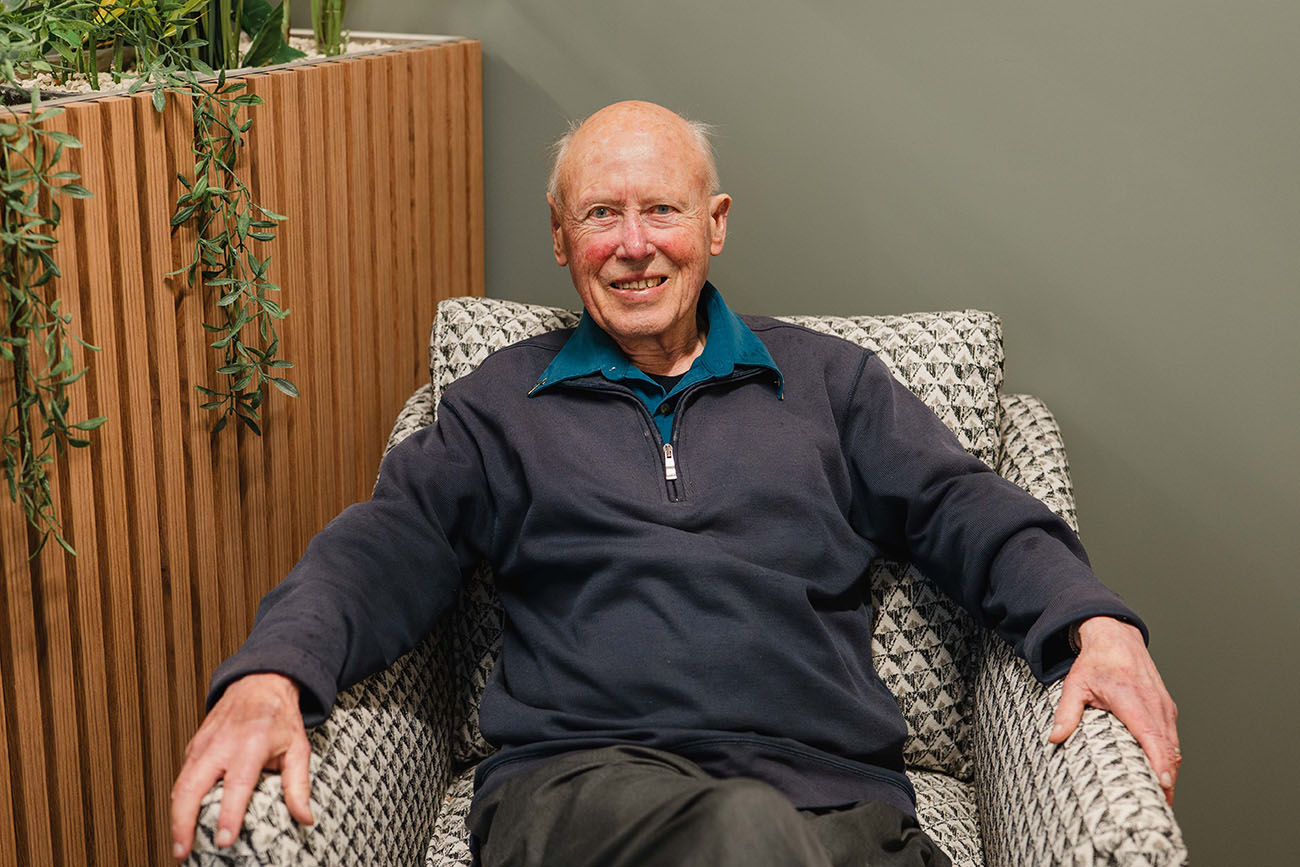
Carl: I realised I had been teaching on faith and the arts for nearly 20 years and had a large body of content. I felt like I should do something with it! I have aways liked radio, and it’s a great platform for teaching. Podcasts are amazing for people to listen to while doing something else – driving, the gym, getting ready in the early morning. With all the busyness of the world today, it has become an important space to stop and get some input, challenge your thinking.
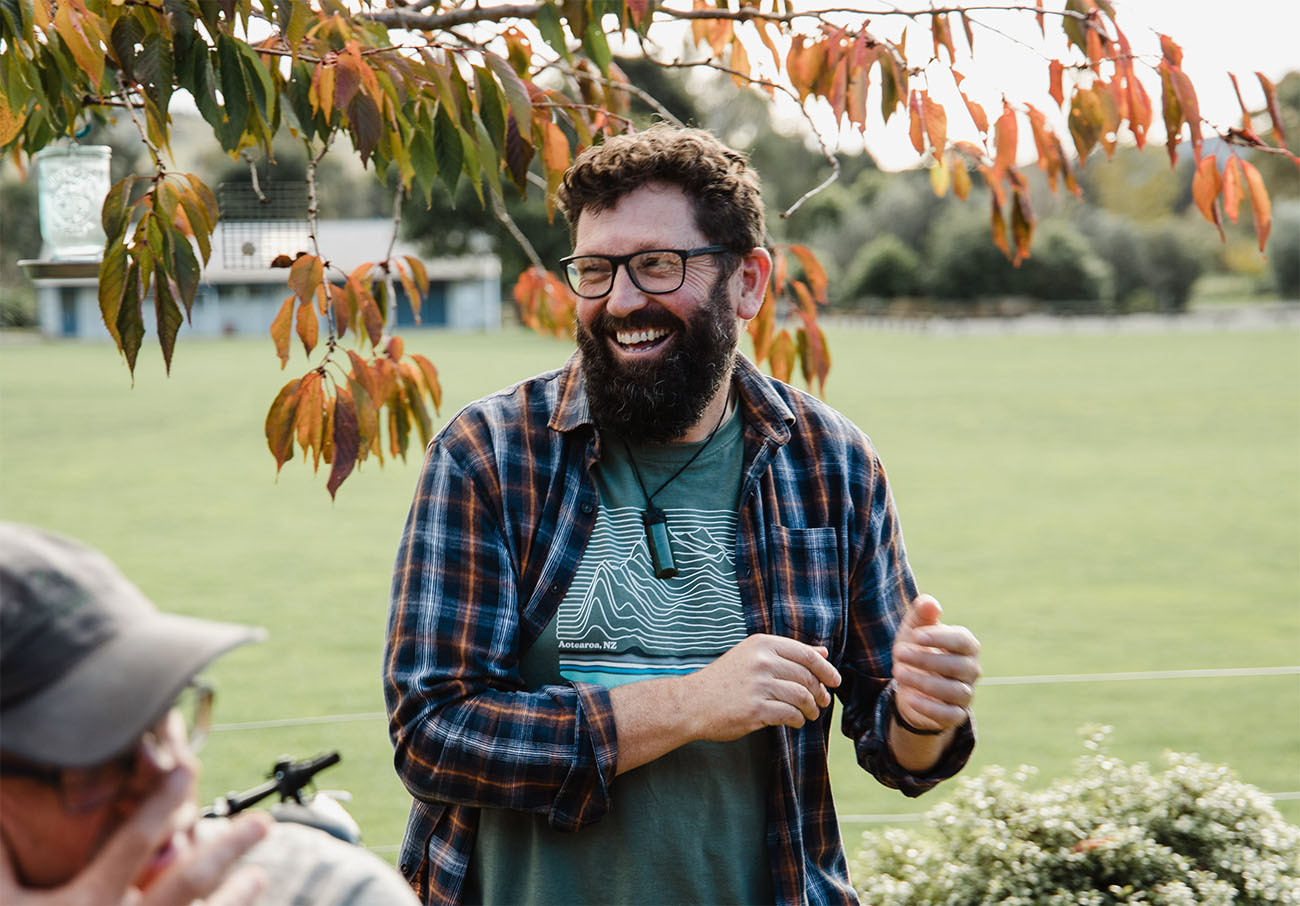
Aynsley: To be honest, creating a podcast was never something I planned, but when I was presented with the opportunity by Fresh Fm I began to think of the possibilities! Recently I have been trying to be more intentional with what I spend my time on, asking myself ”is this glorifying God and growing me?” I started the podcast because I love hearing people’s stories and having real conversations. Podcasts create space for deeper conversations. I also think podcasts are such an accessible way for people to connect with encouraging content – whether they’re driving, walking, studying, or just needing something uplifting during the day.
Nathan: We decided to start the podcast because we were struck by how many people, even experienced Christian leaders, were actually a bit confused about what supervision was and why it might be helpful for them.
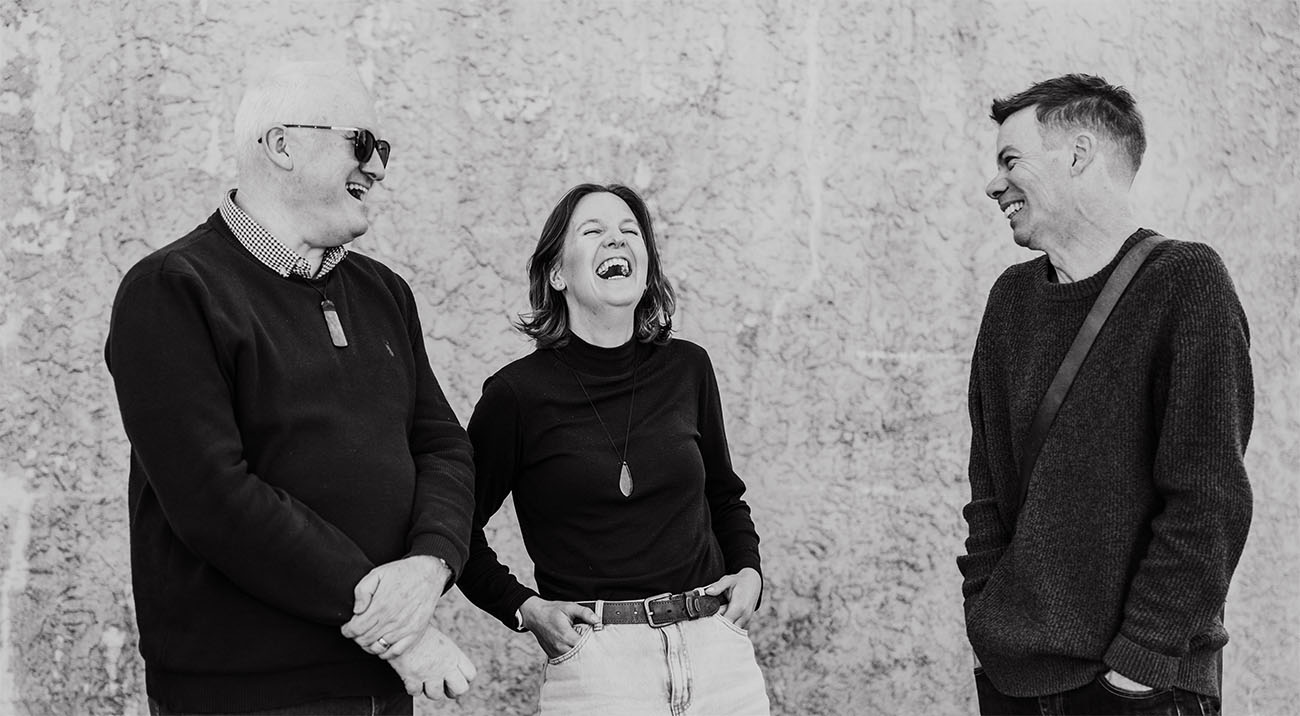
What’s great about podcasts is how relational they feel. People can listen while driving, walking, or making dinner, and it feels like they’re sitting in on a genuine conversation. And honestly, creating it has just been a lot of fun.
Carl: I think there’s an openness people experience when listening to podcasts. It’s a great space to challenge and stretch people’s theology. They can also relisten, so allows time for deeper learning. I myself often relisten to podcasts I’ve found inspiring. They’re like a library you can keep referring to.
Aynsley: They create a space for wisdom and knowledge to be easily shared to many people in all walks of life. Hearing honest conversations and testimonies from other believers reminds people that they’re not alone in their struggles, questions, or experiences. They can also introduce listeners to different perspectives and stories within the church.

Sometimes hearing how God has worked in someone else’s life can encourage you to trust him more in your own life.
Nathan: Podcasts are great. I love them. Whether you’re driving or doing jobs around the house, podcasts make thoughtful conversations and teaching incredibly accessible. That said, I do think we can consume huge amounts of Christian content and assume that listening alone equals growth. But in the Gospels, Jesus places the emphasis not simply on hearing his words, but on putting them into practice. So I think podcasts can be incredibly helpful for sparking reflection, exposing us to new perspectives, encouraging us, and helping us think more deeply about faith and leadership. But real discipleship still happens through lived practice, community, and obedience, not just content consumption.
Carl: The Symbolic World (explores the spiritual meaning embedded in stories, symbols, art, and culture through the lens of Christian tradition and symbolism).
Aynsley: The Living Waters Podcast (features conversations on faith, discipleship, and spiritual formation with a focus on encountering God in everyday life) and RAW Mission (shares stories and discussions centred on mission and living out Christian faith in practical and relational ways).
Nathan: Uncommon Ground with Justin Brierley (thoughtful conversations between Christians and sceptics exploring the big questions shaping modern life) and The Sacred by Elizabeth Oldfield (guests reflect on the values, practices, and beliefs they hold sacred).
Check out other articles in the
series below.
More articles in the
series are to come.
We have invited these writers to share their experiences, ideas and opinions in the hope that these will provoke thought, challenge you to go deeper and inspire you to put your faith into action. These articles should not be taken as the official view of the Nelson Diocese on any particular matter.
“So, what podcasts are ya listening to right now?”
It’s a question more and more people ask each other around small groups and over post-church coffees. Podcast listening has really taken off. It’s a bit like radio, but it’s also quite different too. They allow people to listen when they want, to the topics they’re interested in, wherever they are, while keeping their hands free to do other things at the same time. Experiencing things by audio is also a powerful and intimate kind of media, where you feel like you personally connect with the voice that’s speaking.
Back in 2004 I moved to Christchurch to be a breakfast host on a radio station. My cohost loved technology and followed the trends around the world closely. I remember the morning he told me about this new form of sound that was going to take over the world. “Podcasting! It’s amazing. You’ll be able to listen to our breakfast show, but at 5pm on your way home from work! Trust me, it’s going to change everything.”
In his flat, he’d set up a convoluted contraption to record our radio show and turn it into a podcast. It had wires coming out all over the show, and was plugged into a transistor radio that sat on top of his old desktop PC. I’m not sure if anyone downloaded them, but it must have been one of the first podcasts in New Zealand. Back then it took a lot of effort to listen to podcast – you had to sync a clunky and expensive MP3 player like an iPod to your desktop computer with a cable. I was certain podcasts were probably just another blip of history – like LaserDisks and Beta video – reserved for geeks and early adopters. But that all changed when smartphones invaded our pockets, and mobile data got cheap.
I caught up with three people in our diocese and the wider Anglican scene who’ve recently started podcasts (or should that be Godcasts?) to find out more:
Carl: I realised I had been teaching on faith and the arts for nearly 20 years and had a large body of content. I felt like I should do something with it! I have aways liked radio, and it’s a great platform for teaching. Podcasts are amazing for people to listen to while doing something else – driving, the gym, getting ready in the early morning. With all the busyness of the world today, it has become an important space to stop and get some input, challenge your thinking.
Aynsley: To be honest, creating a podcast was never something I planned, but when I was presented with the opportunity by Fresh Fm I began to think of the possibilities! Recently I have been trying to be more intentional with what I spend my time on, asking myself ”is this glorifying God and growing me?” I started the podcast because I love hearing people’s stories and having real conversations. Podcasts create space for deeper conversations. I also think podcasts are such an accessible way for people to connect with encouraging content – whether they’re driving, walking, studying, or just needing something uplifting during the day.
Nathan: We decided to start the podcast because we were struck by how many people, even experienced Christian leaders, were actually a bit confused about what supervision was and why it might be helpful for them.
What’s great about podcasts is how relational they feel. People can listen while driving, walking, or making dinner, and it feels like they’re sitting in on a genuine conversation. And honestly, creating it has just been a lot of fun.
Carl: I think there’s an openness people experience when listening to podcasts. It’s a great space to challenge and stretch people’s theology. They can also relisten, so allows time for deeper learning. I myself often relisten to podcasts I’ve found inspiring. They’re like a library you can keep referring to.
Aynsley: They create a space for wisdom and knowledge to be easily shared to many people in all walks of life. Hearing honest conversations and testimonies from other believers reminds people that they’re not alone in their struggles, questions, or experiences. They can also introduce listeners to different perspectives and stories within the church.
Sometimes hearing how God has worked in someone else’s life can encourage you to trust him more in your own life.
Nathan: Podcasts are great. I love them. Whether you’re driving or doing jobs around the house, podcasts make thoughtful conversations and teaching incredibly accessible. That said, I do think we can consume huge amounts of Christian content and assume that listening alone equals growth. But in the Gospels, Jesus places the emphasis not simply on hearing his words, but on putting them into practice. So I think podcasts can be incredibly helpful for sparking reflection, exposing us to new perspectives, encouraging us, and helping us think more deeply about faith and leadership. But real discipleship still happens through lived practice, community, and obedience, not just content consumption.
Carl: The Symbolic World (explores the spiritual meaning embedded in stories, symbols, art, and culture through the lens of Christian tradition and symbolism).
Aynsley: The Living Waters Podcast (features conversations on faith, discipleship, and spiritual formation with a focus on encountering God in everyday life) and RAW Mission (shares stories and discussions centred on mission and living out Christian faith in practical and relational ways).
Nathan: Uncommon Ground with Justin Brierley (thoughtful conversations between Christians and sceptics exploring the big questions shaping modern life) and The Sacred by Elizabeth Oldfield (guests reflect on the values, practices, and beliefs they hold sacred).
Check out other articles in the
series below.
More articles in the
series are to come.