“We haven’t got the money, so we’ve got to think,” said Ernest Rutherford.
Rutherford’s pursuit of scientific innovation on a small budget meant getting creative. Raised on a farm across the road from the Anglican church in Foxhill, he attributed his inventiveness to his humble beginnings helping out his parents.
Rutherford was born in 1871, a mere 13 years after the Nelson Anglican Diocese was founded in 1858, and a lot has changed since then. The significant decline in church attendance, and, consequently, a steady decline in our finances. This is not unique to the Diocese of Nelson.
Some people even think our diminishing finances are a good thing for the church, because maybe we have been too dependent on our ample resources in the past.
We haven’t got the money, so we’ve got to think!
With the help of our finance manager, Ed Duggan, we’ll be unpacking bits and pieces of the state of our diocesan finances in Kōrero over the coming months. It’s important that we’re transparent about the resources that we steward.
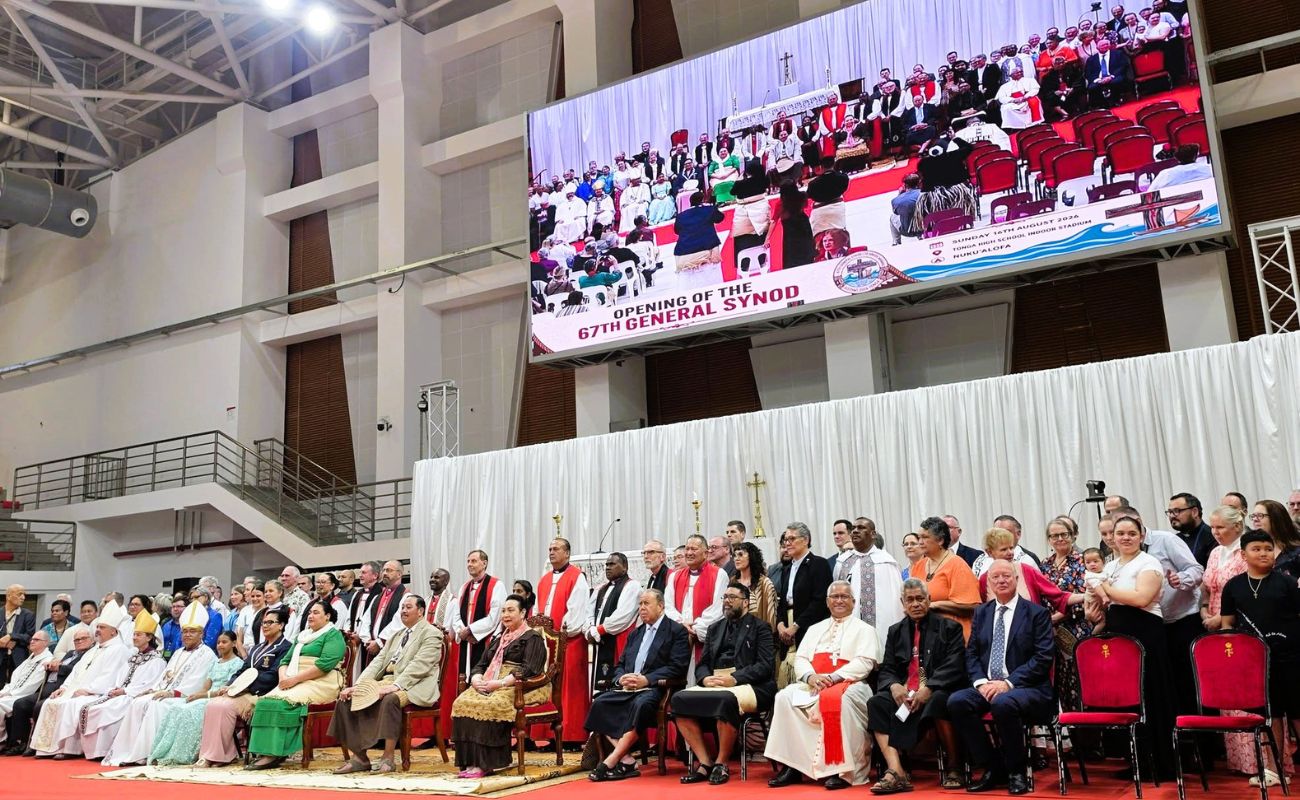
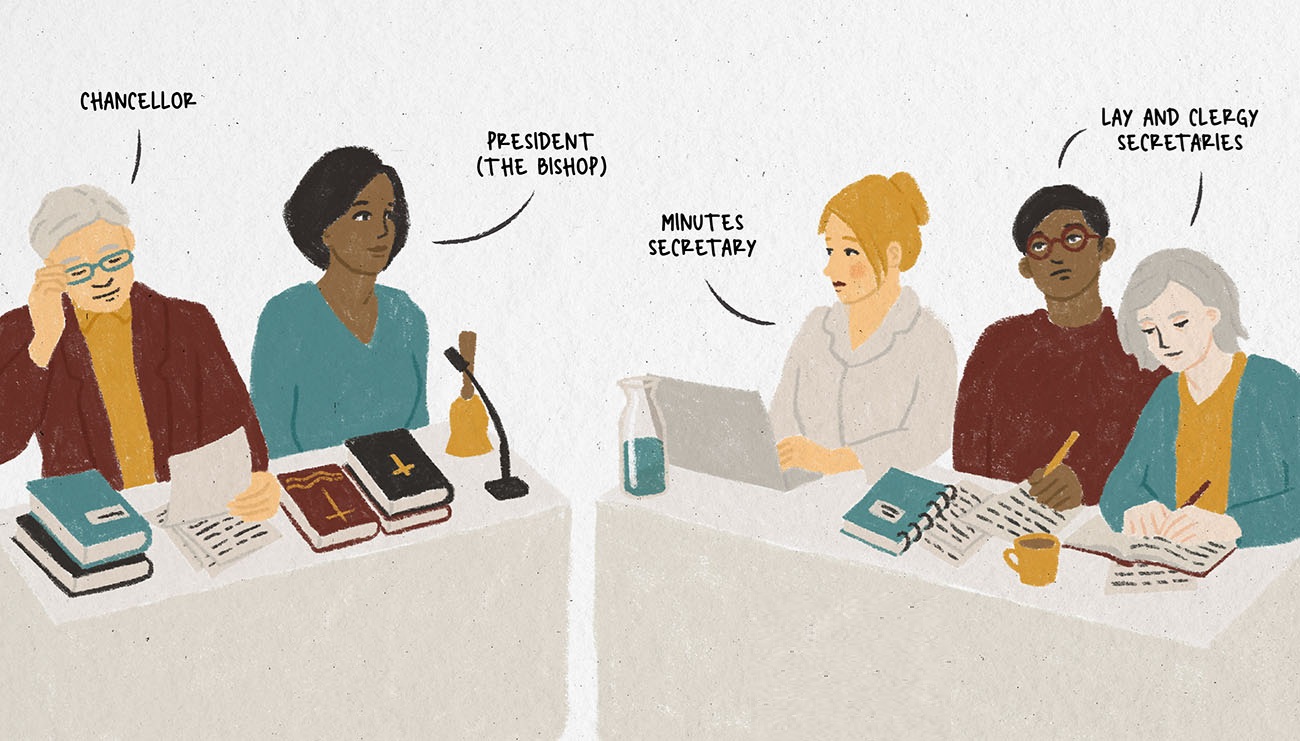
There is a conversation happening at our synod this weekend about money and, in particular, the parish levy.
The Anglican Diocese is like a cooperative network in which parishes in different places do similar things for the same mission. The network stays connected through regular communication, gatherings and functions. The bishop works from a central location with a team of people to support the network. The aim of the Anglican Centre in Nelson is to help parishes flourish and to support the wellbeing of those who lead and serve the mission.
Each parish makes a financial contribution to this work: a levy.
After many years of us thinking about it, this year we will make a change to the way parishes share the contribution to the diocese’s centralised costs.
The supported model is based on a parish’s average assessable income. The old model, based on parish population size, was recognised as being unfair as well as out of touch with the modern world. There is a feeling that this new way will be a more transparent means of sharing the cost that reflects a parish’s ability to pay.
It’s worth remembering, however, just how modest our parish levy is. For a comparatively low contribution, parishes benefit from the shared life and infrastructure of the diocese, including episcopal leadership, ministry support, administration, governance, and financial oversight. These services together would be considerably more costly for parishes if they were independent of the network.
Previous generations of Anglicans have given property, bequests and invested capital which continue to enable ministry today.
Did you know that, across the diocese, current parish giving through tithes and offerings covers less than 60 cents of every dollar spent on parish ministry?
We are so grateful for this inheritance because it does afford us some resilience when hit by financial headwinds. These will include the likely reductions in trust income, uncertainty around future grants, property maintenance pressures, economic uncertainty and the depletion of our reserves.
The challenge before us is not simply how to manage financial pressures. Rather, it is how we, collectively, remain as effective as possible in God's mission today while stewarding wisely the faith, people, resources and opportunities entrusted to us, so that future generations inherit a Church that is faithful, resilient and equipped for God's mission.
Bishop Steve’s charge will encourage us to consider the fact that we are part of the Body of Christ. We are commissioned to go, make disciples, baptise and nurture believers, teaching all that Jesus commanded. Just like the different parts of a body are all connected, we all suffer when one part suffers, and all rejoice when one part celebrates a win.
It’s not easy for us to talk about money, but we must, in order to know how best to use it for the flourishing of the whole of the Body.
Check out other articles in the
series below.
More articles in the
series are to come.
We have invited these writers to share their experiences, ideas and opinions in the hope that these will provoke thought, challenge you to go deeper and inspire you to put your faith into action. These articles should not be taken as the official view of the Nelson Diocese on any particular matter.
“We haven’t got the money, so we’ve got to think,” said Ernest Rutherford.
Rutherford’s pursuit of scientific innovation on a small budget meant getting creative. Raised on a farm across the road from the Anglican church in Foxhill, he attributed his inventiveness to his humble beginnings helping out his parents.
Rutherford was born in 1871, a mere 13 years after the Nelson Anglican Diocese was founded in 1858, and a lot has changed since then. The significant decline in church attendance, and, consequently, a steady decline in our finances. This is not unique to the Diocese of Nelson.
Some people even think our diminishing finances are a good thing for the church, because maybe we have been too dependent on our ample resources in the past.
We haven’t got the money, so we’ve got to think!
With the help of our finance manager, Ed Duggan, we’ll be unpacking bits and pieces of the state of our diocesan finances in Kōrero over the coming months. It’s important that we’re transparent about the resources that we steward.
There is a conversation happening at our synod this weekend about money and, in particular, the parish levy.
The Anglican Diocese is like a cooperative network in which parishes in different places do similar things for the same mission. The network stays connected through regular communication, gatherings and functions. The bishop works from a central location with a team of people to support the network. The aim of the Anglican Centre in Nelson is to help parishes flourish and to support the wellbeing of those who lead and serve the mission.
Each parish makes a financial contribution to this work: a levy.
After many years of us thinking about it, this year we will make a change to the way parishes share the contribution to the diocese’s centralised costs.
The supported model is based on a parish’s average assessable income. The old model, based on parish population size, was recognised as being unfair as well as out of touch with the modern world. There is a feeling that this new way will be a more transparent means of sharing the cost that reflects a parish’s ability to pay.
It’s worth remembering, however, just how modest our parish levy is. For a comparatively low contribution, parishes benefit from the shared life and infrastructure of the diocese, including episcopal leadership, ministry support, administration, governance, and financial oversight. These services together would be considerably more costly for parishes if they were independent of the network.
Previous generations of Anglicans have given property, bequests and invested capital which continue to enable ministry today.
Did you know that, across the diocese, current parish giving through tithes and offerings covers less than 60 cents of every dollar spent on parish ministry?
We are so grateful for this inheritance because it does afford us some resilience when hit by financial headwinds. These will include the likely reductions in trust income, uncertainty around future grants, property maintenance pressures, economic uncertainty and the depletion of our reserves.
The challenge before us is not simply how to manage financial pressures. Rather, it is how we, collectively, remain as effective as possible in God's mission today while stewarding wisely the faith, people, resources and opportunities entrusted to us, so that future generations inherit a Church that is faithful, resilient and equipped for God's mission.
Bishop Steve’s charge will encourage us to consider the fact that we are part of the Body of Christ. We are commissioned to go, make disciples, baptise and nurture believers, teaching all that Jesus commanded. Just like the different parts of a body are all connected, we all suffer when one part suffers, and all rejoice when one part celebrates a win.
It’s not easy for us to talk about money, but we must, in order to know how best to use it for the flourishing of the whole of the Body.
Check out other articles in the
series below.
More articles in the
series are to come.