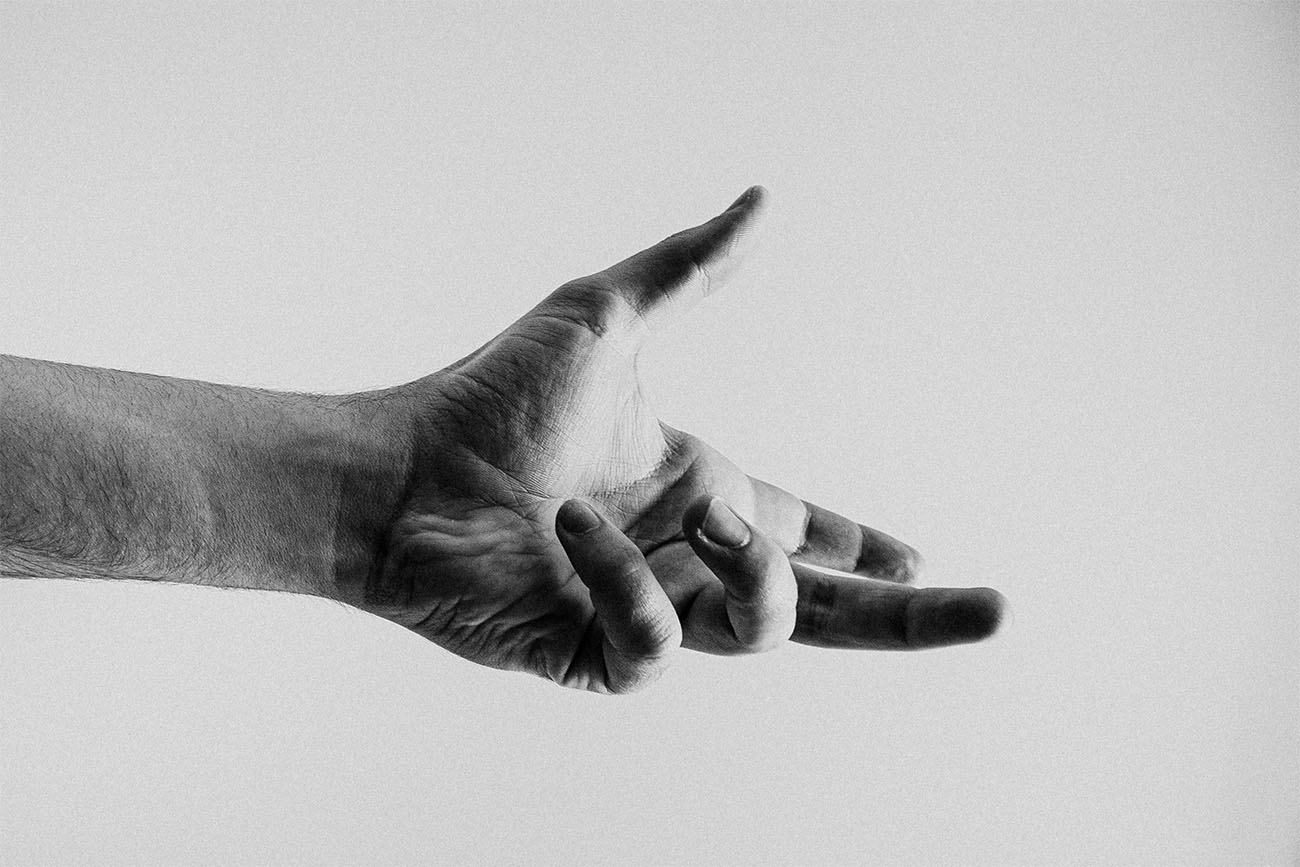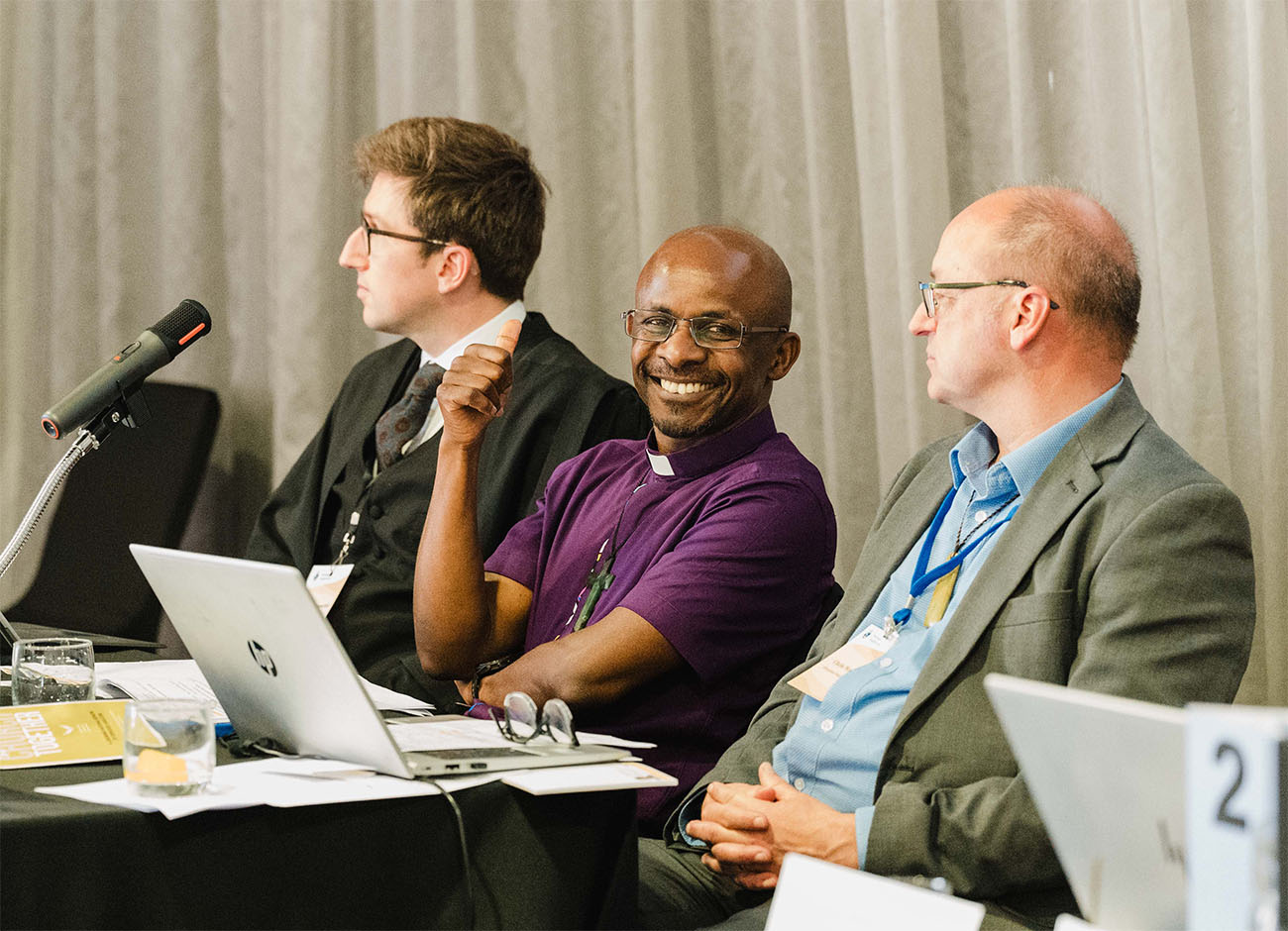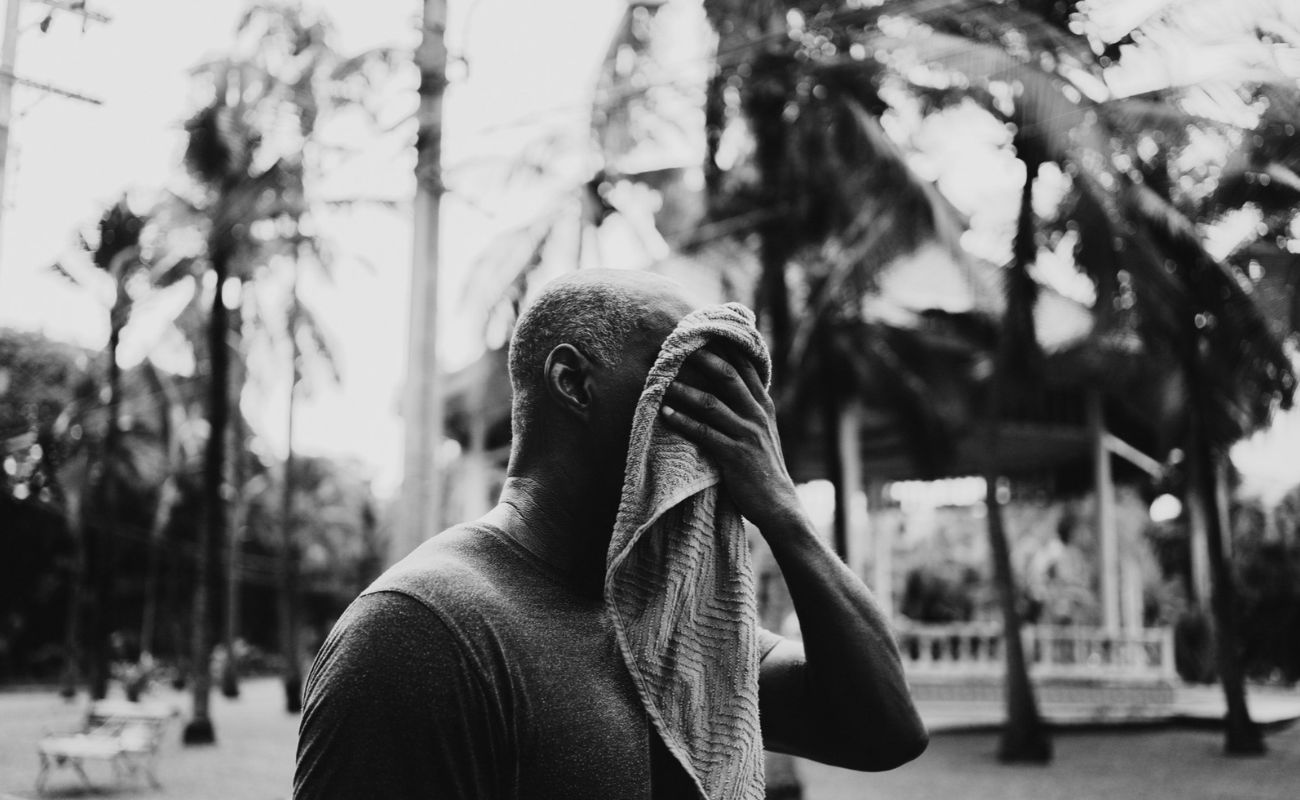
The image of the body of Christ is an incredible image, one that resonates not only spiritually, but physically, individually and collectively.
You have a body, and whatever you think about it, whatever condition it is in, it is a gift and it is good.
Our bodies take us through our lives, through ups and downs. They are a source of immense blessing, and also sometimes immense frustration. We can love them well, take them for granted, like them and hate them – sometimes all in the space of one day.
We see in scripture and through the life of the Church over millennia that our bodies are a gift, given to us to engage with God and to have an embodied faith. We’re not just spirits hovering about, but our bodies are what makes us human. We worship a God with a body.
We see the human body all through the whole sweep of scripture:
In the creation narrative, Adam and Eve were given bodies that God breathed life into. God declared them tov. “Good” doesn’t do the word justice. Tov is not just averagely nice, but beautiful, life-giving and well-designed. God’s creation was tov: very good.
The fall of humankind came from misdirected bodily appetites – eating a piece of fruit. Sin was introduced into the world and it affected the body. The shame of sin caused Adam and Eve to cover the nakedness of their bodies.
In the incarnation, Christ became human, taking on flesh and blood. He took on a body born to a young woman, a body that would have walked and run, shouted and sung. A body that slept, sweated, urinated, ate and digested... he was the word who became flesh, and dwelt among us – the embodied God.
I love the Message version of John 1. It says that “the Word became flesh and blood, and moved into the neighbourhood”. Flesh and blood. The same 4.5 to 5.5 litres of blood that pumps around our bodies pumped in the body of the Son of God, too.
Then came the crucifixion: a body broken on a cross. Blood shed, hands nailed, and a spear in the side. A body that suffered, took its last breath, and died.
The story of the resurrection tells us that, three days later, that body that was not there. Jesus appeared in the flesh to many people afterwards. He let Thomas investigate the holes in his hands and his side.
At the ascension, Jesus he ascended bodily – he didn’t shoot off like a spirit rocket. He is still in his body, he still hasn’t divested himself of it.
We’re told in scripture that we will have resurrection bodies, not wafty spirits, like the ghosts of Christmas past, present and future. Bodies that will run, dance and move freely. Bodies that are completely good and completely restored.
Salvation includes our bodies. We are not just souls or brains on legs, but we are fearfully and wonderfully made beings – temples, even.
Do you not know that your bodies are temples of the Holy Spirit, who is in you, whom you have received from God? You are not your own; you were bought at a price. Therefore honour God with your bodies.
1 Corinthians 6:19-20
Paul was speaking to those in the church in Corinth who had been using, abusing, and debasing their bodies in ways that were not tov, not good.
A temple is a place of worship, a place of meeting, a place of connection and encounter – a place that is holy.
Your body is a temple, rather than just a tool for meeting your needs and desires.
Your body is a temple, not just transport to carry your spirit or your brain through life.
There’s an amazing tension here. Your body is a temple, a sacred place of awe and reverence, yet also a place of burping and sweating.
That's the incredible thing we are called to wrestle with.
How can something so earthly be something that is holy? But that’s what God does: takes normal everyday things and makes them holy – bread, wine, hands, feet, bodies.
If you’ve ever been through a cathedral like Notre-Dame in Paris or St Paul’s in London, you’ll have seen people walking round with an awed hush.
Maybe we should look at ourselves and each other with that same hushed awe, the same wonder and reverence. Wow! I am a human being with a body, sacred, made in the image of the embodied God.
Even with lumps and bumps, wrinkles and wobbly bits, our bodies are good! The heart beats three billion times in an average human life span. Our bodies are incredible, and our bodies are sacred. Our skin and muscles and feet and hands are just as sacred as a sanctuary or an altar.
Paul said that your body is a temple “of the Holy Spirit, who is in you, whom you have received from God”.
God is in us by his Spirit. That’s a bit of a weird thing to think on. Does he live in my stomach? God isn’t just in your head or your heart, but in your body.
Your body is a dwelling place. Just think about that: God dwells within you. That is holy ground stuff.
Ruth Haley Barton puts it this way:
God has chosen in these days to dwell permanently in the bodies of redeemed persons and in the body of Christ as it gathers. In some unexplainable way God inhabits our bodies, making them a place where we can meet him and know him.
You can meet God not just in your head, but in and through your body. In the normal everyday stuff of life with your body. Olympian Eric Liddell said, “I know God’s joy when I run.”
God can meet us in the pain of our bodies and speak through it. Pete Scazzero talks about the body as a prophet – it can tell us when something is not right, physically and spiritually.
You have received your body as a gift from God, and it is a gift with value.
Have you ever been given a gift that you know didn’t cost the person anything? Something free but of not much value?
Your body has inherent value, not related to how it looks, or how well it functions, but on who gave it to you. Who are we to disagree with God when he says our bodies are tov: very good?
Our bodies are a gift because they tell us about the wider body, the Church: the body of many parts that Bishop Steve talked about in his charge, drawing from 1 Corinthians 12.
Our bodies tell us we all have a part to play.
Our bodies are a gift that help us encounter God
Our faith, our discipleship, and our worship is embodied. Our physical bodies and our spiritual souls are intertwined and inseparable, and this fusion is a key part of what it is to be human, and what it is to know God.
Think of the ways that we worship.
During communion, we walk to the front, we open our hands, we eat and drink, we digest, physically and spiritually – all as we remember Christ on the cross for us.
Think of baptism, being immersed in water (I’m not talking about the amount of water, okay?). It’s a bodily experience that is physical and spiritual.
Why do we lift our hands in worship? We put our hands out. Sometimes we even kneel down.
We are not just brains on sticks. As Justin Whitmel Earley writes in The Body Teaches the Soul, “Bodily actions shape our hearts and minds.”
Our bodies can posture our minds. Think of the passing of the peace. It’s an embodied practice, not just chit chat time. Shaking hands triggers immediate neurological and physiological responses, releasing oxytocin (the “bonding hormone”) to build trust and lowering cortisol (the primary stress hormone).
But it’s not just in church on a Sunday. Our bodies don’t stop being sacred, or a dwelling place, or a gift, when we go about our week.
Tish Harrison Warren says, “The bodies we use in our worship services each week are the same bodies we take to our kitchen table, into our bathtubs and under the covers at night.”
Your body is good, very good. Not to be worshipped, but also not to be ignored.
Your body is a sacred temple worthy of awe, not in yourself, but in the one who gave it to you.
Your body is God’s dwelling place, which means we are walking on holy ground around each other.
Your body is a gift that has value and speaks of the generosity of the giver.
Check out other articles in the
series below.
More articles in the
series are to come.
We have invited these writers to share their experiences, ideas and opinions in the hope that these will provoke thought, challenge you to go deeper and inspire you to put your faith into action. These articles should not be taken as the official view of the Nelson Diocese on any particular matter.
The image of the body of Christ is an incredible image, one that resonates not only spiritually, but physically, individually and collectively.
You have a body, and whatever you think about it, whatever condition it is in, it is a gift and it is good.
Our bodies take us through our lives, through ups and downs. They are a source of immense blessing, and also sometimes immense frustration. We can love them well, take them for granted, like them and hate them – sometimes all in the space of one day.
We see in scripture and through the life of the Church over millennia that our bodies are a gift, given to us to engage with God and to have an embodied faith. We’re not just spirits hovering about, but our bodies are what makes us human. We worship a God with a body.
We see the human body all through the whole sweep of scripture:
In the creation narrative, Adam and Eve were given bodies that God breathed life into. God declared them tov. “Good” doesn’t do the word justice. Tov is not just averagely nice, but beautiful, life-giving and well-designed. God’s creation was tov: very good.
The fall of humankind came from misdirected bodily appetites – eating a piece of fruit. Sin was introduced into the world and it affected the body. The shame of sin caused Adam and Eve to cover the nakedness of their bodies.
In the incarnation, Christ became human, taking on flesh and blood. He took on a body born to a young woman, a body that would have walked and run, shouted and sung. A body that slept, sweated, urinated, ate and digested... he was the word who became flesh, and dwelt among us – the embodied God.
I love the Message version of John 1. It says that “the Word became flesh and blood, and moved into the neighbourhood”. Flesh and blood. The same 4.5 to 5.5 litres of blood that pumps around our bodies pumped in the body of the Son of God, too.
Then came the crucifixion: a body broken on a cross. Blood shed, hands nailed, and a spear in the side. A body that suffered, took its last breath, and died.
The story of the resurrection tells us that, three days later, that body that was not there. Jesus appeared in the flesh to many people afterwards. He let Thomas investigate the holes in his hands and his side.
At the ascension, Jesus he ascended bodily – he didn’t shoot off like a spirit rocket. He is still in his body, he still hasn’t divested himself of it.
We’re told in scripture that we will have resurrection bodies, not wafty spirits, like the ghosts of Christmas past, present and future. Bodies that will run, dance and move freely. Bodies that are completely good and completely restored.
Salvation includes our bodies. We are not just souls or brains on legs, but we are fearfully and wonderfully made beings – temples, even.
Do you not know that your bodies are temples of the Holy Spirit, who is in you, whom you have received from God? You are not your own; you were bought at a price. Therefore honour God with your bodies.
1 Corinthians 6:19-20
Paul was speaking to those in the church in Corinth who had been using, abusing, and debasing their bodies in ways that were not tov, not good.
A temple is a place of worship, a place of meeting, a place of connection and encounter – a place that is holy.
Your body is a temple, rather than just a tool for meeting your needs and desires.
Your body is a temple, not just transport to carry your spirit or your brain through life.
There’s an amazing tension here. Your body is a temple, a sacred place of awe and reverence, yet also a place of burping and sweating.
That's the incredible thing we are called to wrestle with.
How can something so earthly be something that is holy? But that’s what God does: takes normal everyday things and makes them holy – bread, wine, hands, feet, bodies.
If you’ve ever been through a cathedral like Notre-Dame in Paris or St Paul’s in London, you’ll have seen people walking round with an awed hush.
Maybe we should look at ourselves and each other with that same hushed awe, the same wonder and reverence. Wow! I am a human being with a body, sacred, made in the image of the embodied God.
Even with lumps and bumps, wrinkles and wobbly bits, our bodies are good! The heart beats three billion times in an average human life span. Our bodies are incredible, and our bodies are sacred. Our skin and muscles and feet and hands are just as sacred as a sanctuary or an altar.
Paul said that your body is a temple “of the Holy Spirit, who is in you, whom you have received from God”.
God is in us by his Spirit. That’s a bit of a weird thing to think on. Does he live in my stomach? God isn’t just in your head or your heart, but in your body.
Your body is a dwelling place. Just think about that: God dwells within you. That is holy ground stuff.
Ruth Haley Barton puts it this way:
God has chosen in these days to dwell permanently in the bodies of redeemed persons and in the body of Christ as it gathers. In some unexplainable way God inhabits our bodies, making them a place where we can meet him and know him.
You can meet God not just in your head, but in and through your body. In the normal everyday stuff of life with your body. Olympian Eric Liddell said, “I know God’s joy when I run.”
God can meet us in the pain of our bodies and speak through it. Pete Scazzero talks about the body as a prophet – it can tell us when something is not right, physically and spiritually.
You have received your body as a gift from God, and it is a gift with value.
Have you ever been given a gift that you know didn’t cost the person anything? Something free but of not much value?
Your body has inherent value, not related to how it looks, or how well it functions, but on who gave it to you. Who are we to disagree with God when he says our bodies are tov: very good?
Our bodies are a gift because they tell us about the wider body, the Church: the body of many parts that Bishop Steve talked about in his charge, drawing from 1 Corinthians 12.
Our bodies tell us we all have a part to play.
Our bodies are a gift that help us encounter God
Our faith, our discipleship, and our worship is embodied. Our physical bodies and our spiritual souls are intertwined and inseparable, and this fusion is a key part of what it is to be human, and what it is to know God.
Think of the ways that we worship.
During communion, we walk to the front, we open our hands, we eat and drink, we digest, physically and spiritually – all as we remember Christ on the cross for us.
Think of baptism, being immersed in water (I’m not talking about the amount of water, okay?). It’s a bodily experience that is physical and spiritual.
Why do we lift our hands in worship? We put our hands out. Sometimes we even kneel down.
We are not just brains on sticks. As Justin Whitmel Earley writes in The Body Teaches the Soul, “Bodily actions shape our hearts and minds.”
Our bodies can posture our minds. Think of the passing of the peace. It’s an embodied practice, not just chit chat time. Shaking hands triggers immediate neurological and physiological responses, releasing oxytocin (the “bonding hormone”) to build trust and lowering cortisol (the primary stress hormone).
But it’s not just in church on a Sunday. Our bodies don’t stop being sacred, or a dwelling place, or a gift, when we go about our week.
Tish Harrison Warren says, “The bodies we use in our worship services each week are the same bodies we take to our kitchen table, into our bathtubs and under the covers at night.”
Your body is good, very good. Not to be worshipped, but also not to be ignored.
Your body is a sacred temple worthy of awe, not in yourself, but in the one who gave it to you.
Your body is God’s dwelling place, which means we are walking on holy ground around each other.
Your body is a gift that has value and speaks of the generosity of the giver.
Check out other articles in the
series below.
More articles in the
series are to come.