Next month, we're partnering with Hikitia! to open an honest conversation about our young people and the online world they live in. I sat down with Miranda, community mobiliser for Hikitia! and member of All Saints in Nelson, to talk about why this conversation matters and what’s ahead for our church whānau.
Miranda: I’m a community mobiliser for Hikitia!, which is an ACC-funded prevention movement focused on preventing family and sexual violence. In our region, Hikitia! is part of RISE Living Safe.
Before this role, I worked as a clinician in the family violence space, supporting people who had used violence, people impacted by violence, and with those for whom both were true. I also work in restorative justice, often in family violence cases.
Before that, I worked at All Saints for seven and a half years as a parish-based children’s outreach worker. I ran an after-school programme and holiday programmes, creating community for kids from whānau who were struggling in different ways, especially children who were often excluded from belonging in other spaces.
I’m still deeply passionate about supporting kids and young people to flourish as Christian disciples.
Miranda: On the 18th of March we’re opening up a conversation for parents, caregivers, youth leaders, teachers, and anyone walking alongside tamariki and rangatahi.
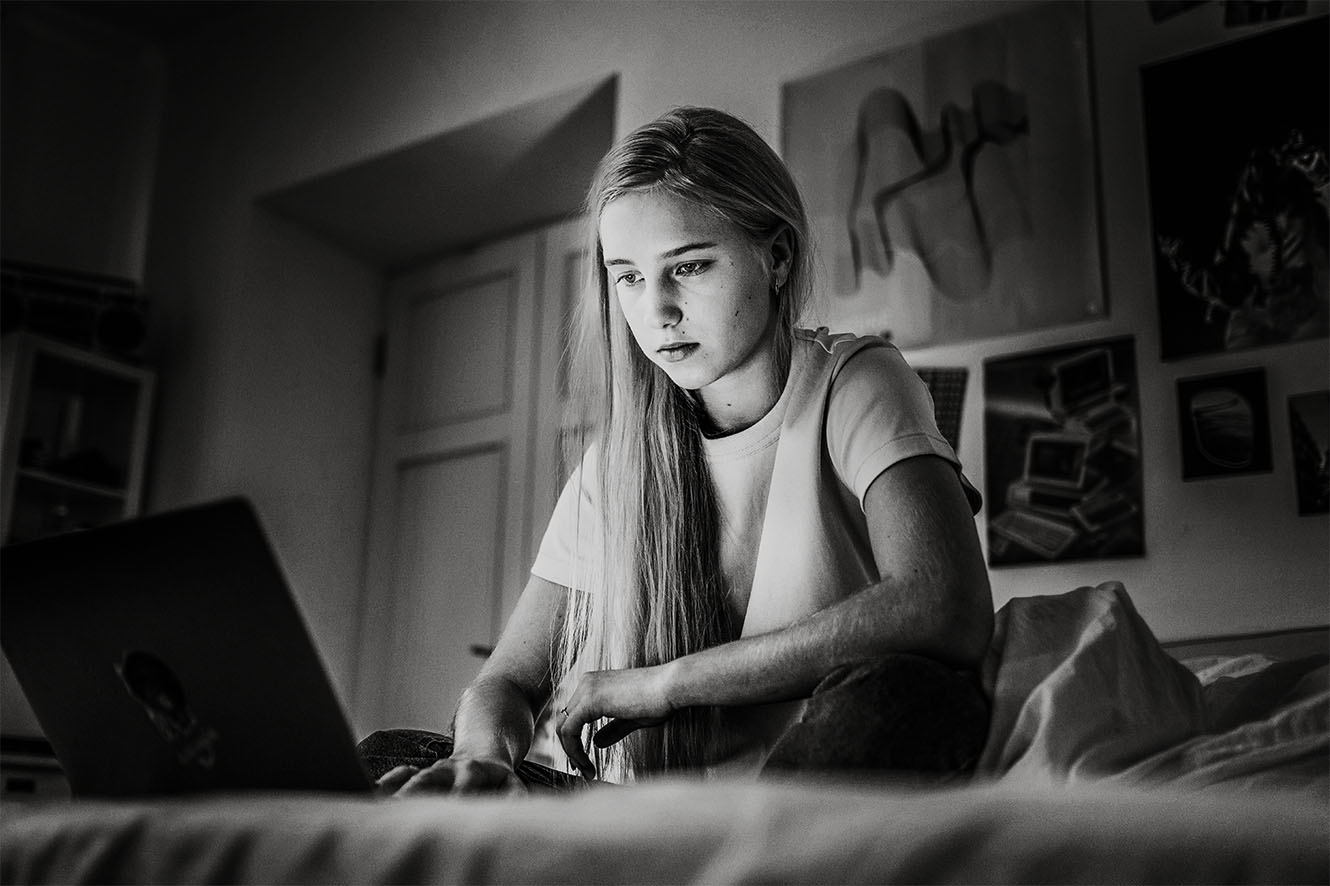
We want to explore the online landscape that young people are growing up in, particularly around sex and relationships. That includes pornography, online relationship dynamics, and the kinds of content young people may be exposed to, whether accidentally or by choice.
This event is about painting an honest picture of that landscape. Then we’ll create space to reflect together as a Christian community. What resources do we need? What faith-based reflection do we need?
We’ll also gather people’s hopes, concerns, and insights so we can think about what comes next. This isn’t a one-off conversation. It’s the beginning of an ongoing journey.
Miranda: Through my ministry work at All Saints, I saw the complexity that many young people are living with. That awareness has only intensified through my work in family and sexual violence. I’ve become more aware of how significant the problem is, but also of the resources available to equip us.
As a church, we care deeply about protecting our young people. Sometimes that means we don’t want to engage with the difficult realities they are facing. We might hope it won’t touch them. We need to be informed. And then we need to think together: what does it mean for us to raise mature Christian disciples in the world they actually find themselves in?
Miranda: Firstly, that’s wonderful if your child hasn’t encountered this content.
But given how algorithms work, and how prevalent these topics are in playground conversations and social media, it is highly likely they will encounter something at some point. Even if you have strong device protections at home, exposure can happen through peers.
If you’ve done the thinking and praying beforehand, you’re less likely to feel caught off guard. You’re more ready to respond wisely, kindly, and compassionately. You’re able to point your young person towards what they need spiritually and practically.
Preparation allows us to engage gently and well.
Check out other articles in the
series below.
More articles in the
series are to come.
We have invited these writers to share their experiences, ideas and opinions in the hope that these will provoke thought, challenge you to go deeper and inspire you to put your faith into action. These articles should not be taken as the official view of the Nelson Diocese on any particular matter.
Next month, we're partnering with Hikitia! to open an honest conversation about our young people and the online world they live in. I sat down with Miranda, community mobiliser for Hikitia! and member of All Saints in Nelson, to talk about why this conversation matters and what’s ahead for our church whānau.
Miranda: I’m a community mobiliser for Hikitia!, which is an ACC-funded prevention movement focused on preventing family and sexual violence. In our region, Hikitia! is part of RISE Living Safe.
Before this role, I worked as a clinician in the family violence space, supporting people who had used violence, people impacted by violence, and with those for whom both were true. I also work in restorative justice, often in family violence cases.
Before that, I worked at All Saints for seven and a half years as a parish-based children’s outreach worker. I ran an after-school programme and holiday programmes, creating community for kids from whānau who were struggling in different ways, especially children who were often excluded from belonging in other spaces.
I’m still deeply passionate about supporting kids and young people to flourish as Christian disciples.
Miranda: On the 18th of March we’re opening up a conversation for parents, caregivers, youth leaders, teachers, and anyone walking alongside tamariki and rangatahi.
We want to explore the online landscape that young people are growing up in, particularly around sex and relationships. That includes pornography, online relationship dynamics, and the kinds of content young people may be exposed to, whether accidentally or by choice.
This event is about painting an honest picture of that landscape. Then we’ll create space to reflect together as a Christian community. What resources do we need? What faith-based reflection do we need?
We’ll also gather people’s hopes, concerns, and insights so we can think about what comes next. This isn’t a one-off conversation. It’s the beginning of an ongoing journey.
Miranda: Through my ministry work at All Saints, I saw the complexity that many young people are living with. That awareness has only intensified through my work in family and sexual violence. I’ve become more aware of how significant the problem is, but also of the resources available to equip us.
As a church, we care deeply about protecting our young people. Sometimes that means we don’t want to engage with the difficult realities they are facing. We might hope it won’t touch them. We need to be informed. And then we need to think together: what does it mean for us to raise mature Christian disciples in the world they actually find themselves in?
Miranda: Firstly, that’s wonderful if your child hasn’t encountered this content.
But given how algorithms work, and how prevalent these topics are in playground conversations and social media, it is highly likely they will encounter something at some point. Even if you have strong device protections at home, exposure can happen through peers.
If you’ve done the thinking and praying beforehand, you’re less likely to feel caught off guard. You’re more ready to respond wisely, kindly, and compassionately. You’re able to point your young person towards what they need spiritually and practically.
Preparation allows us to engage gently and well.
Check out other articles in the
series below.
More articles in the
series are to come.